Custom Yale Golf Course artwork, made to order — a hand-styled map of the course, a painting-style print of your favorite hole, or a finished photo from your round.
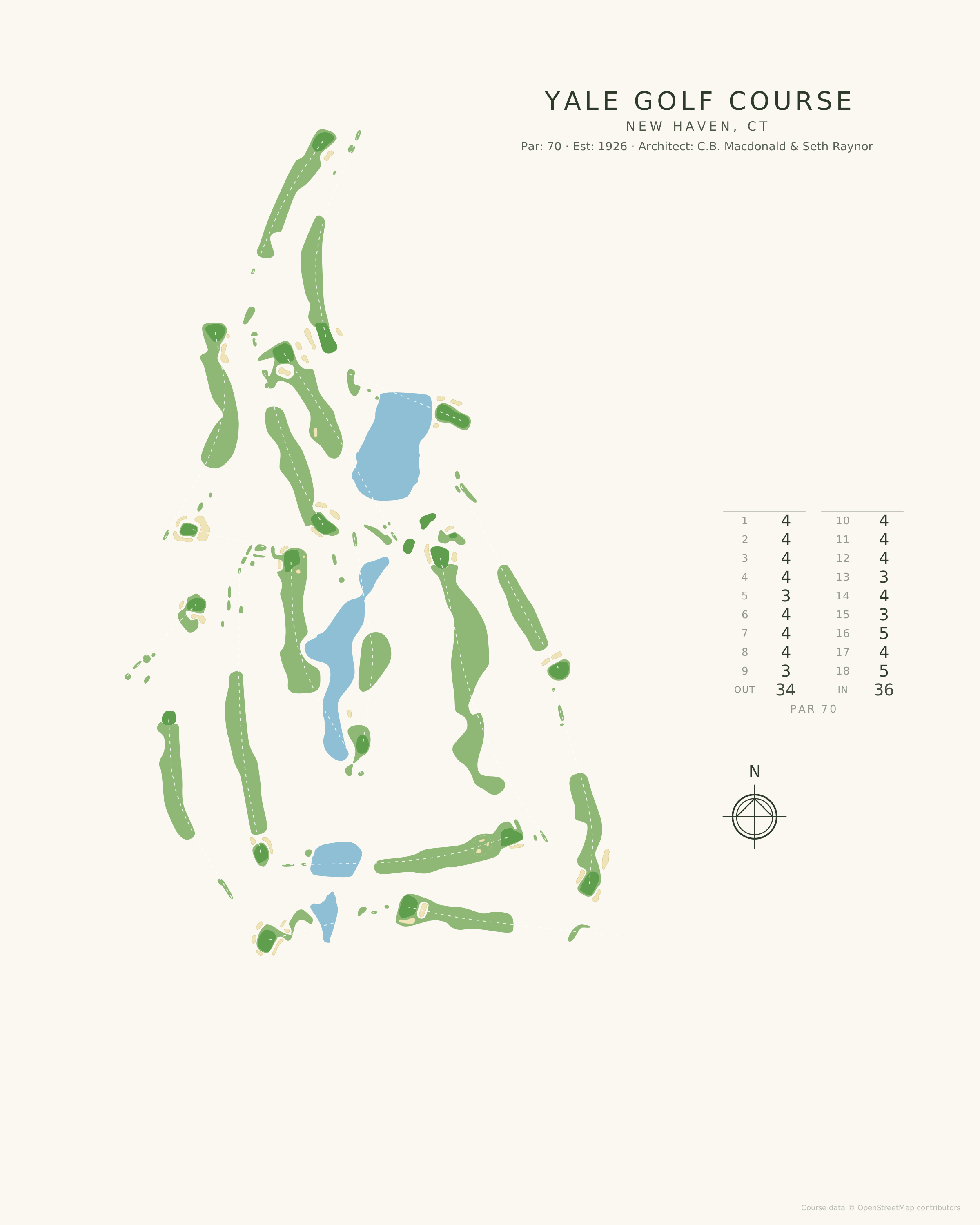
Created from actual data — every tee, fairway, bunker, and green, all in vivid detail.
In 1923, Sarah Wey Tompkins gave Yale a 700-acre tract of rock ledge, swamp, and dense woodland west of New Haven, in memory of her husband Ray Tompkins — captain of Yale's football teams of 1882 and 1883. The university turned to Charles Blair Macdonald, the father of American golf course architecture, who brought in his protégé Seth Raynor to do the shaping. What they attempted on that unbuildable ground had scarcely been tried before: they moved rock, drained swamp, and dammed water on a scale no course had seen, at a cost of roughly $400,000 — a staggering sum that made Yale one of the most expensive courses ever built at the time.
The course that opened in 1926 was immediately recognized as something monumental. Raynor laid Macdonald's famous template holes — Redan, Short, Cape, Alps, Eden, Road — across the ledges and ravines at enormous scale, with fairways plunging through rock cuts and greens the size of small fields. Raynor died months before completion, and his associate Charles Banks finished the work. The result is often called the greatest college golf course in the world, and among the boldest designs of golf's Golden Age anywhere.
Its centerpiece is the ninth: the most famous Biarritz hole in golf. A long par-3 played across a lake to a green of some 22,000 square feet, bisected by a swale deep enough to swallow a golfer from view — and, as generations of Yale golfers will tell you, the pin occasionally goes in the trough itself. Golfers travel from around the world to hit that one shot.
Decades of tight budgets let the course grow shaggy and shrunken, its grandeur intact but obscured. Then came the rescue: a two-year, comprehensively funded restoration by Gil Hanse and Jim Wagner — themselves devoted students of Macdonald and Raynor — that recaptured huge acreages of lost green surface and reopened the course in 2026 to national acclaim. A century after Macdonald and Raynor blasted it out of the Connecticut rock, Yale is once again exactly what they built: the Golden Age at full volume.
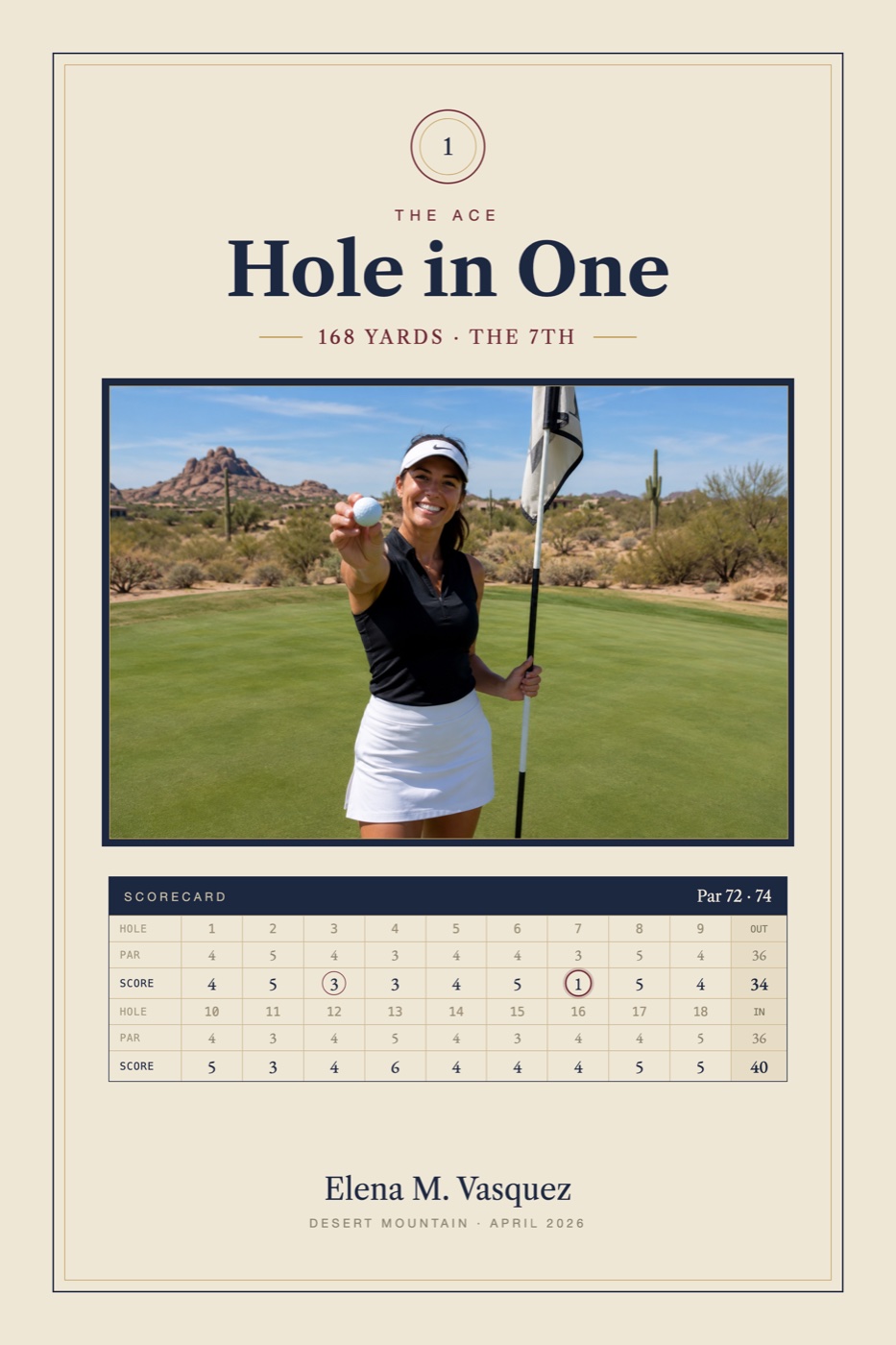
Museum-quality Yale Golf Course map art, traced from real course data — every template green, ravine, and the legendary Biarritz 9th of Macdonald and Raynor's 1926 masterpiece. Four designs, six sizes, or personalized with your own round photo.
Course data © OpenStreetMap contributors (ODbL)