Custom Wild Horse Golf Club artwork, made to order — a hand-styled map of the course, a painting-style print of your favorite hole, or a finished photo from your round.
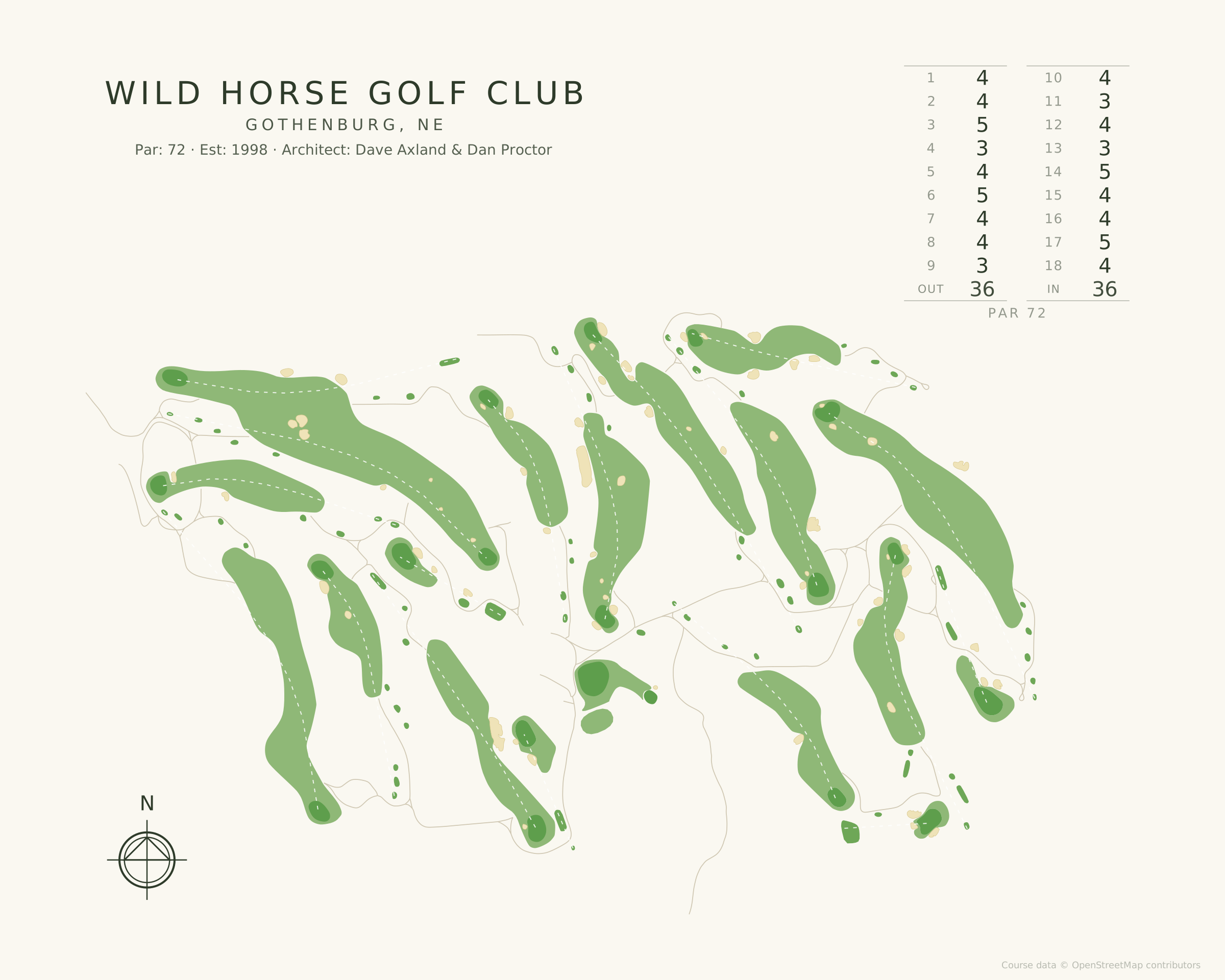
Created from actual data — every tee, fairway, bunker, and green, all in vivid detail.
Wild Horse exists because the people of Gothenburg, Nebraska — population about 3,500 — decided in the mid-1990s that their town deserved a real golf course, and then paid for it themselves. There was no resort developer, no membership committee, no marketing plan. The community sold 1,000 shares of stock at $500 apiece, set aside fifty home lots around the edges, and got to work on a piece of ground at the southern lip of the Sandhills, where the dunes flatten out and melt into the prairie.
For architects they landed two of the best-kept secrets in golf: Dave Axland and Dan Proctor, the shapers who had built Sand Hills for Bill Coore and Ben Crenshaw an hour or so up the road. Sand Hills' developer, Dick Youngscap, personally recommended the pair to the Gothenburg golfers. Axland and Proctor worked the land the way their mentors taught — moving almost nothing, letting the holes lie where the prairie put them — and delivered the entire course, land included, for about $1.6 million. That is less than many clubs spend rebuilding a clubhouse.
The course opened in 1998, and word crept out the way it always does with cult classics: a golfer plays it on a whim driving I-80, calls a friend, and swears them to a secret they immediately break. Treeless and waterless, all fescue-fringed bunkers and firm, fast, sand-based turf, Wild Horse plays like a links that wandered inland — Golf Digest named it among the best new affordable courses in America in 1999, and national magazines have been making pilgrimages ever since.
It remains gloriously unpretentious: a community-owned course on the edge of a small town, green fees that feel like a typo, and golf that stands comparison with private clubs charging fifty times more. For the golfers who make the drive, the scorecard is a trophy — proof they found it.
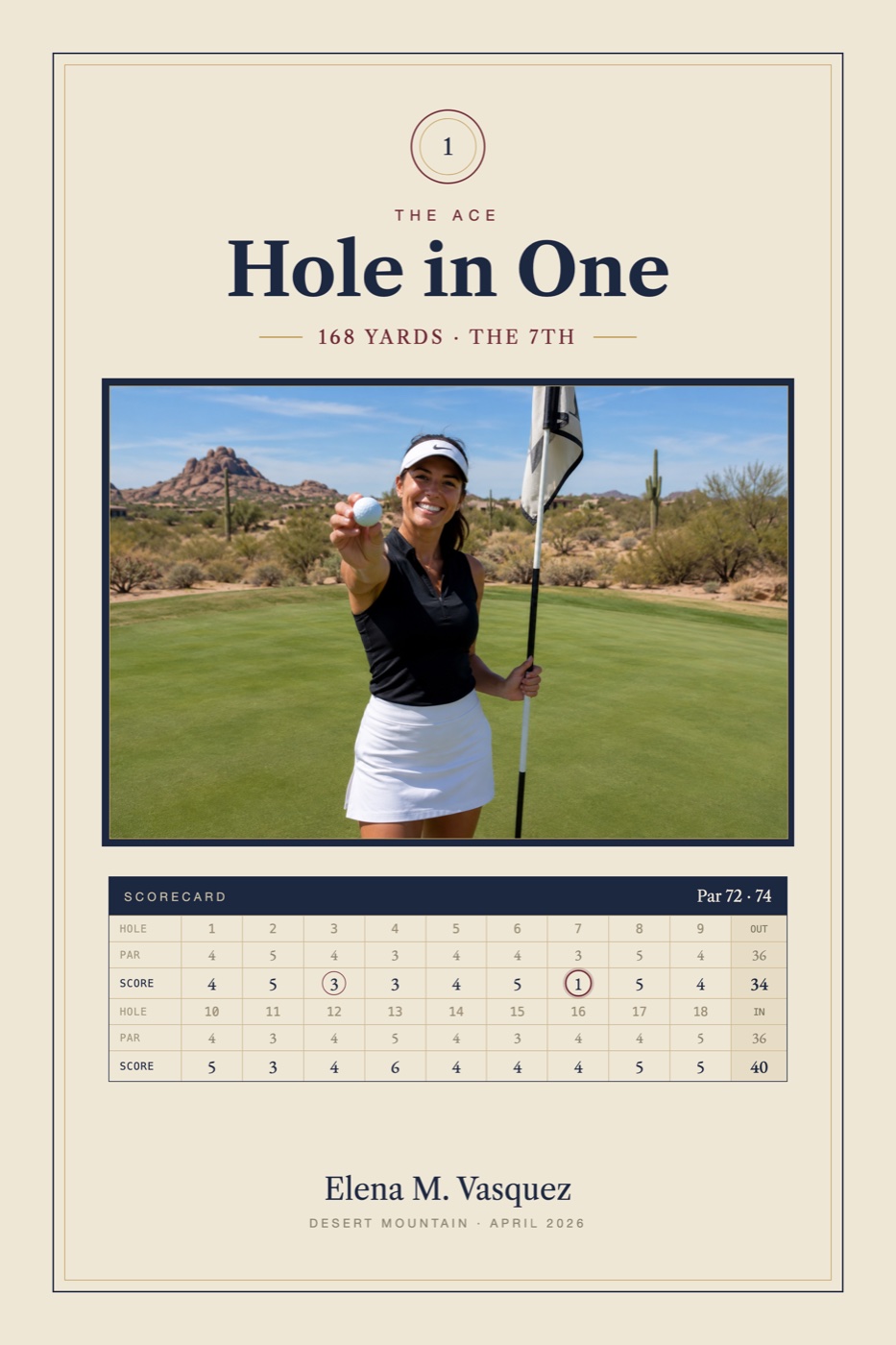
Museum-quality Wild Horse Golf Club map art, traced from real course data — every prairie bunker, green, and fescue edge of Nebraska's cult-favorite links. Four designs, six sizes, or personalized with your own round photo.
Course data © OpenStreetMap contributors (ODbL)