Custom Pacific Dunes artwork, made to order — a hand-styled map of the course, a painting-style print of your favorite hole, or a finished photo from your round.
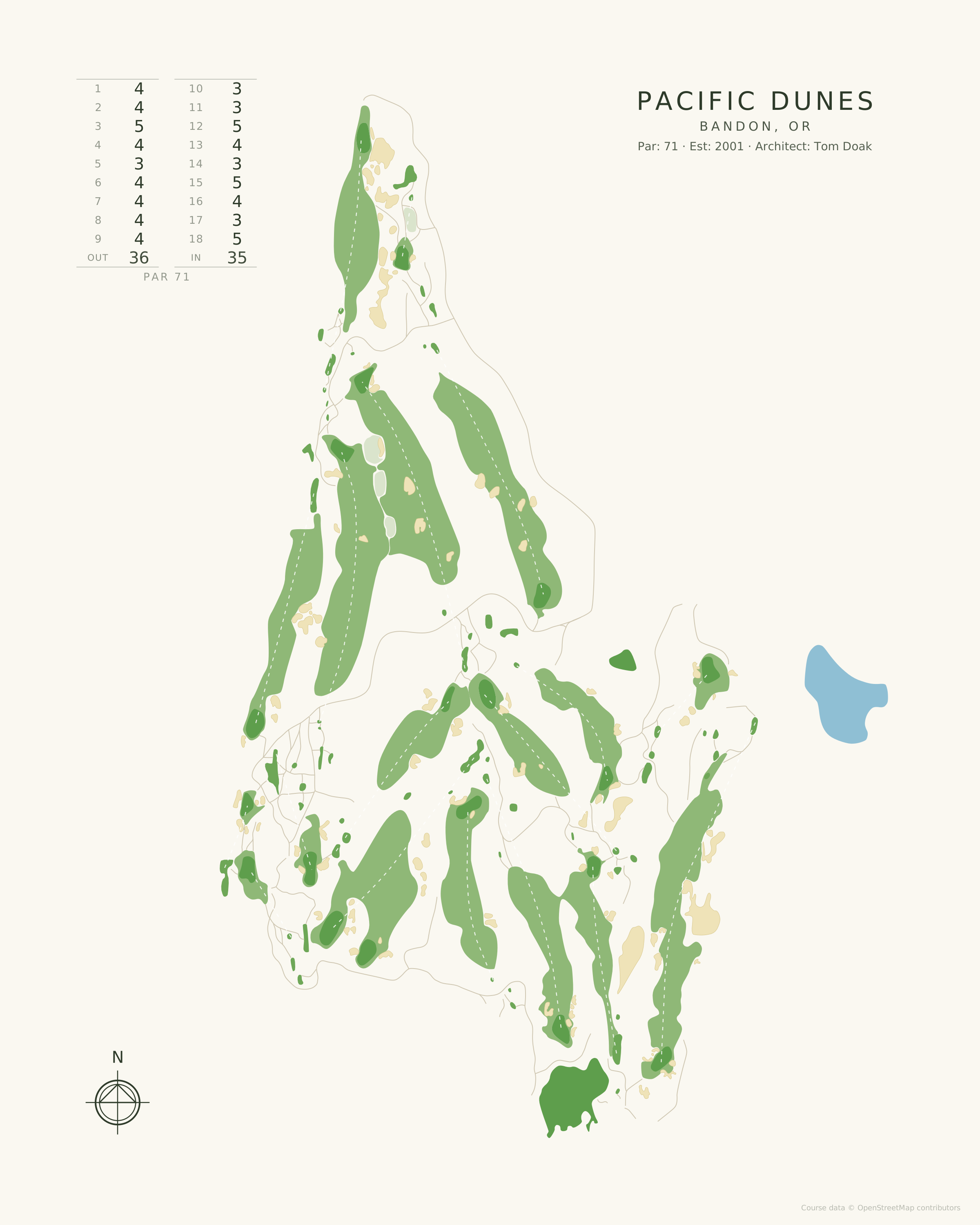
Created from actual data — every tee, fairway, bunker, and green, all in vivid detail.
When Mike Keiser opened Bandon Dunes on a forgotten stretch of the southern Oregon coast in 1999, he proved that golfers would travel to the ends of the earth for pure, ground-game links golf. The resort's first course, by a young David McLay Kidd, was an instant sensation — and Keiser immediately handed the next parcel of dunesland to another largely unproven architect: Tom Doak.
Doak was known then mostly as a writer and purist, a disciple of the old British links who had built only a handful of courses. At Bandon he found land wilder than Kidd's — blown-out dunes and headlands dropping straight to the Pacific — and he refused to tame it. He shaped bunkers, greens, and fairways to look as though the wind alone had carved them, threading the routing along the cliffs rather than around them.
Pacific Dunes opened in 2001 to a reception rare in golf architecture: critics and touring pros alike called it an instant classic, and it has stayed near the very top of America's course rankings ever since. Its back nine is famous for consecutive par-3s at the 10th and 11th — the 10th plunging toward the beach, the 11th perched on the ridge above it — a stretch few modern courses dare attempt.
The course helped turn a remote logging town into the country's most revered golf destination and launched Doak into architecture's first rank. Walked only, with caddies in place of carts like every course at Bandon, Pacific Dunes has also hosted USGA amateur championships on this same wind-scoured ground — proof that the wildest layout at the resort is also one of its most complete tests.
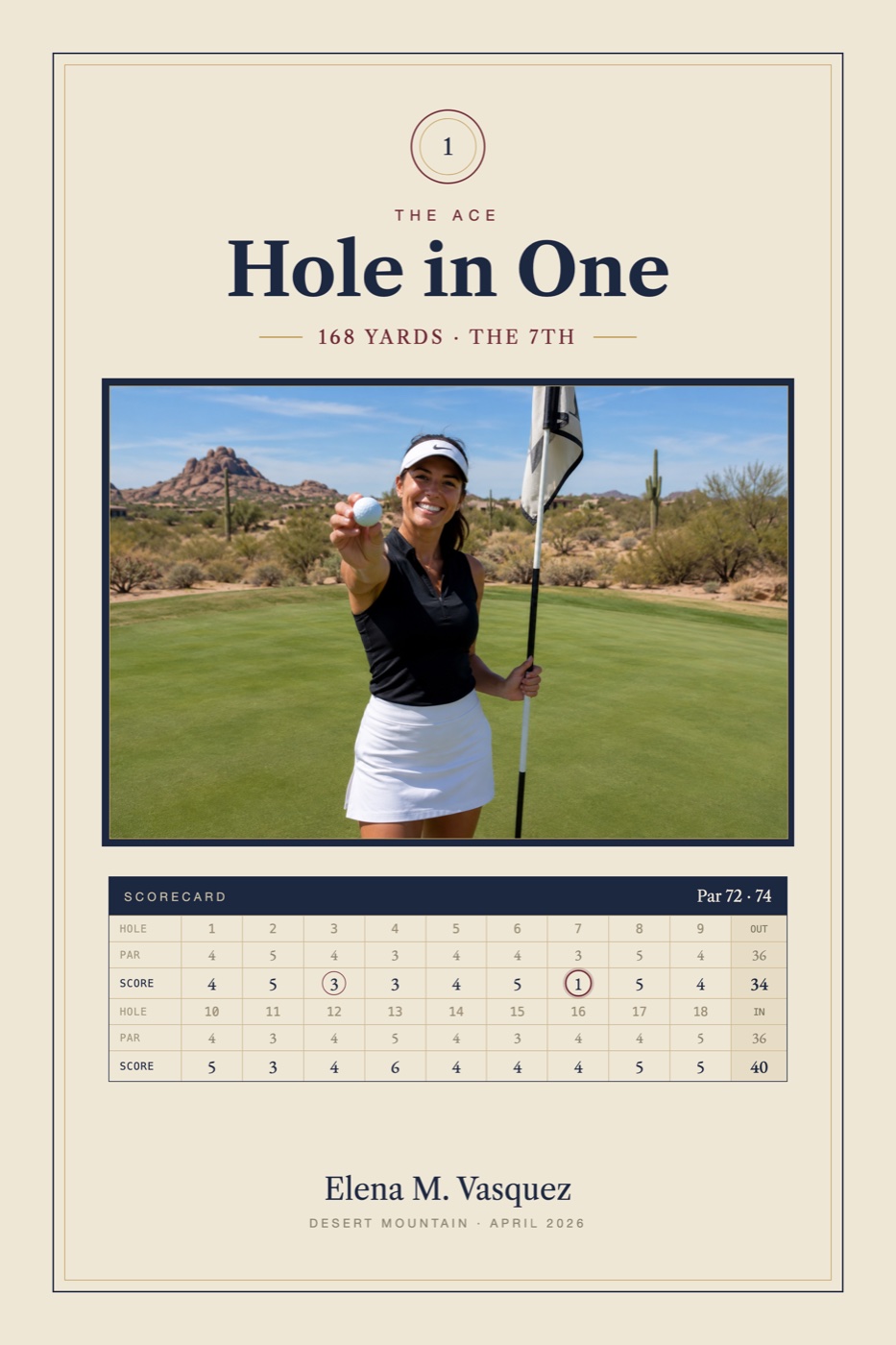
Museum-quality Pacific Dunes map art, traced from real course data — every bunker, green, and fairway. Tom Doak's 2001 breakthrough on Oregon's wild coastal dunes, famous for its back-to-back par-3s above the Pacific. Four designs, six sizes, or personalized with your own round photo.
Course data © OpenStreetMap contributors (ODbL)