Custom Chambers Bay Golf Club artwork, made to order — a hand-styled map of the course, a painting-style print of your favorite hole, or a finished photo from your round.
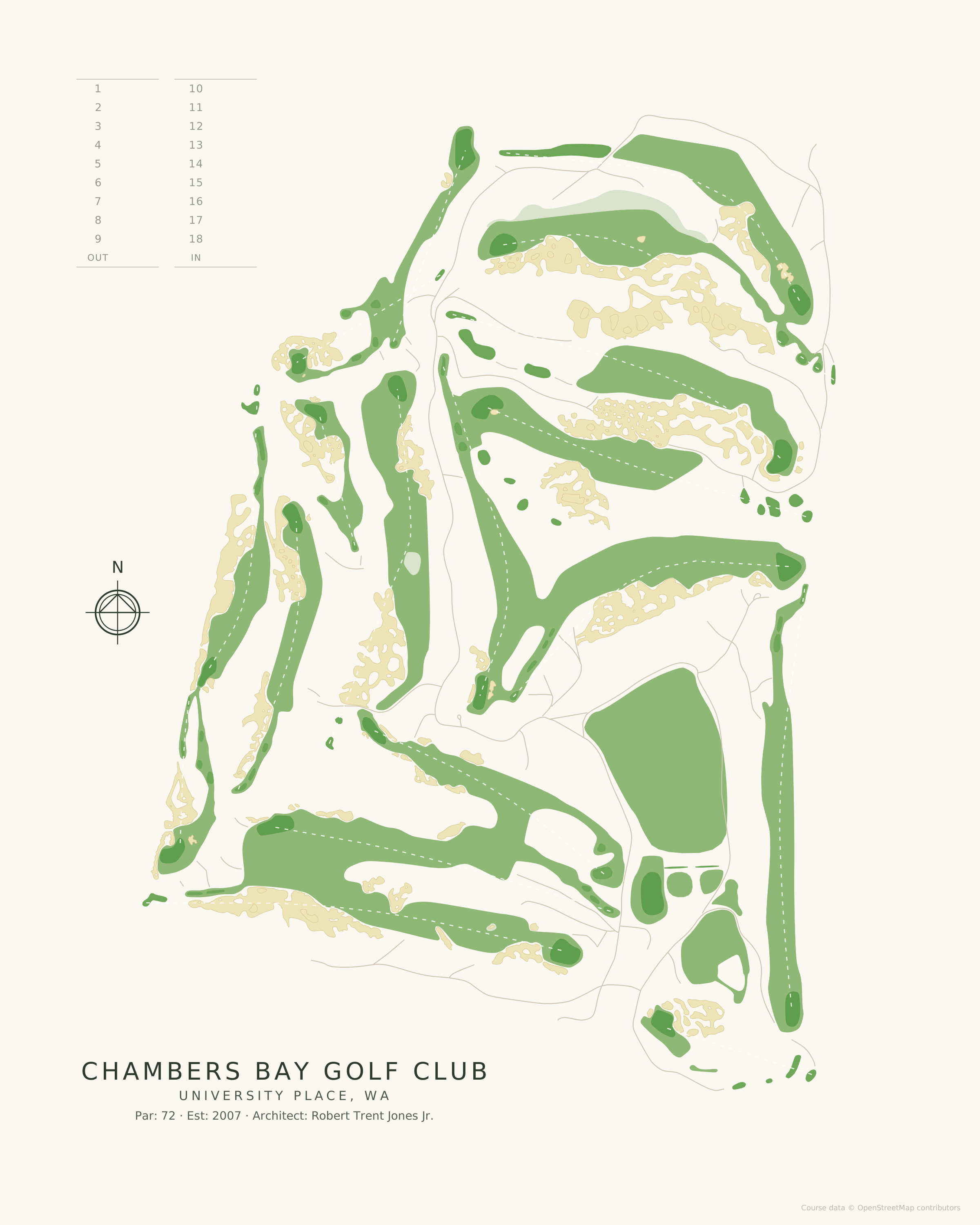
Created from actual data — every tee, fairway, bunker, and green, all in vivid detail.
For most of a century, the land below University Place was a hole in the ground — a sand and gravel mine on the shore of Puget Sound, feeding concrete to a growing Seattle and Tacoma. When the mine played out, Pierce County Executive John Ladenburg looked at 250 acres of scarred waterfront and saw something almost nobody else did: a links. Critics called the project 'Ladenburg's Folly.' He wanted a U.S. Open.
Robert Trent Jones Jr. wanted it too. He arrived at his design interview carrying bag tags printed 'Chambers Bay — Home of the 2030 U.S. Open,' and got the job. His crew moved some 1.4 million cubic yards of sand and gravel to sculpt enormous dunes, seaside-scale bunkers, and fairways of fine fescue that play firm, fast, and brown — a true British links built from mining spoil, with the Olympic Mountains across the water.
The course opened in June 2007, and the audacity paid off faster than even Jones's bag tags predicted. The U.S. Amateur arrived in 2010, when Chambers Bay was barely three years old, and in 2015 the U.S. Open came to the Pacific Northwest for the first time in the championship's history. That week ended in one of golf's great gut-punch finishes: 21-year-old Jordan Spieth, fresh off his Masters win, stood in the scoring area as Dustin Johnson three-putted the final green — handing Spieth the second leg of a run at the Grand Slam.
Through all of it, Chambers Bay has stayed what Ladenburg promised: a county-owned public course, walking only, open to anyone willing to take on its heaving fescue fairways. You play the same ground Spieth did, past the same lone fir above the Sound, and you understand why they gambled on a gravel pit.
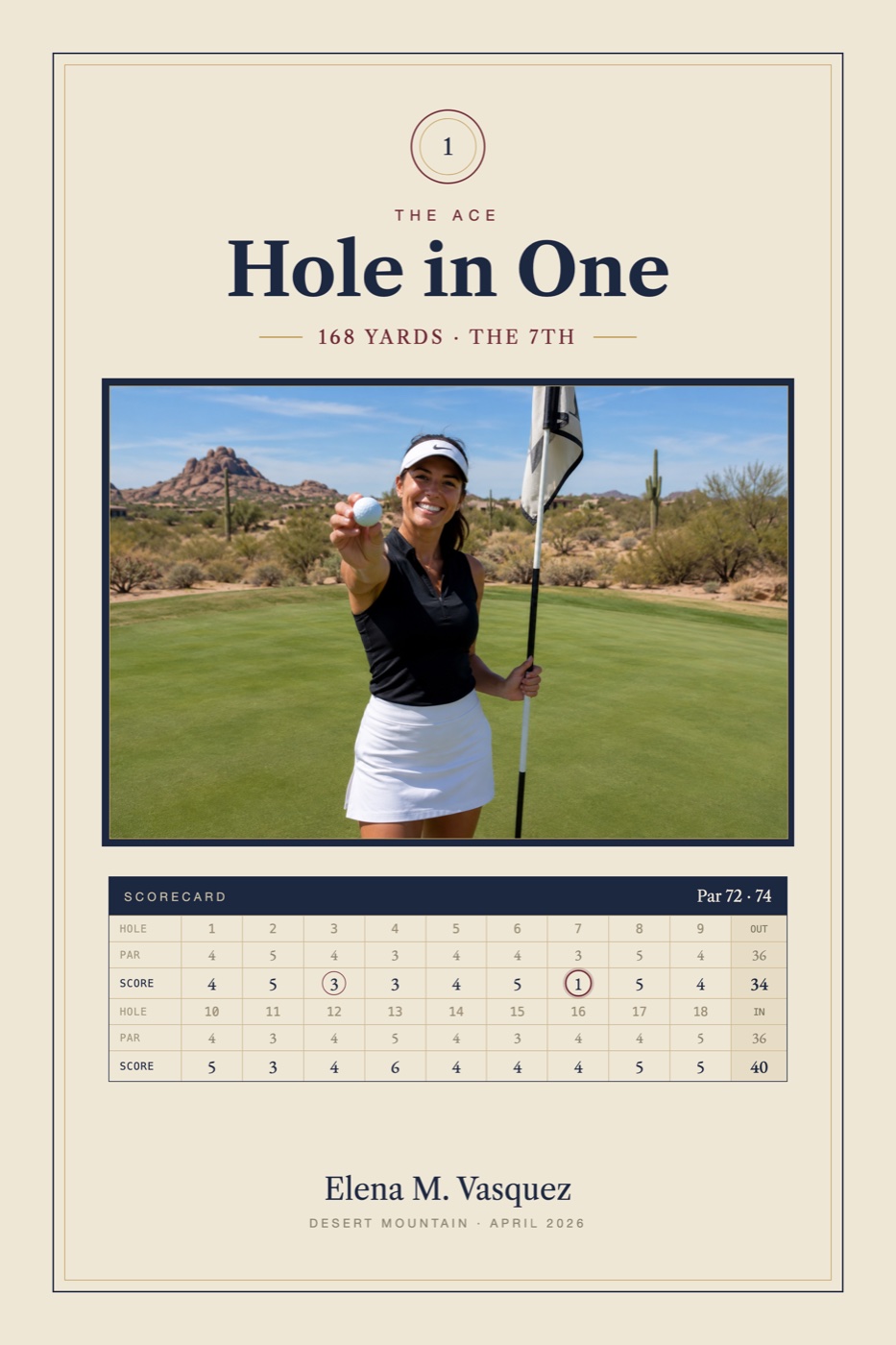
Museum-quality Chambers Bay map art, traced from real course data — every dune, bunker, and fescue fairway on Puget Sound. Home of the 2015 U.S. Open. Four designs, six sizes, or personalized with your own round photo.
Course data © OpenStreetMap contributors (ODbL)